All Categories
Featured
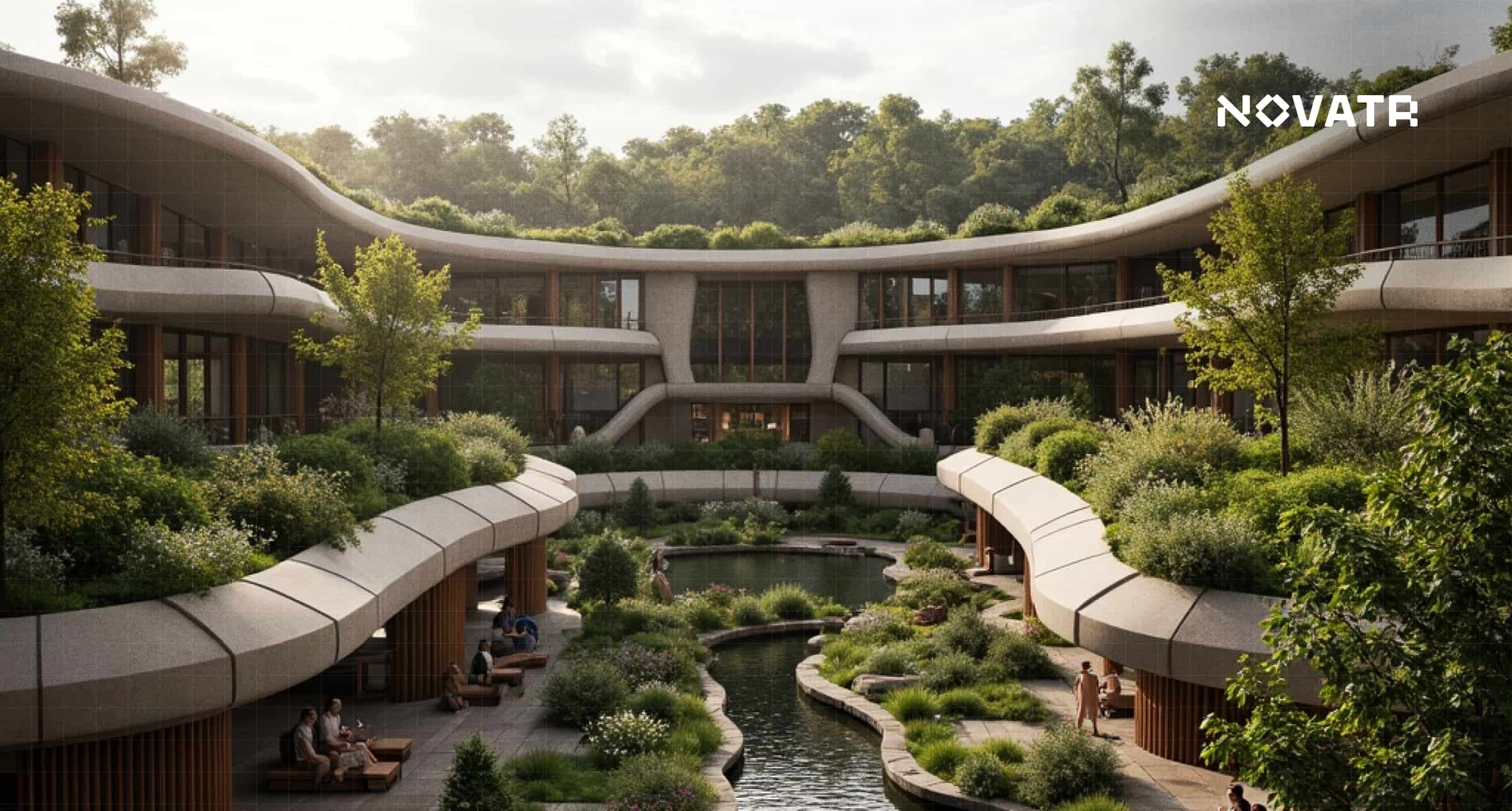

Upgrading Company Image With Innovative Landscape Design
Table of Contents
Native types are naturally adjusted to the Midwest's soil, rains, and temperature swings. They require less water, fertilizer, and general maintenance. Native plants likewise support regional pollinators, improve soil health, and produce more resistant landscapes that can deal with everything from summertime heat to harsh winter seasons. For commercial and homes alike, native planting is among the most effective ways to construct a sustainable landscape that looks great and works even much better with time.
Very drought-tolerant and low maintenance, it adds movement and structure to any landscape. Purple Coneflower (Echinacea) One of the most recognizable native perennials, including bold purple-pink flowers throughout summertime. It's highly resilient, draws in pollinators, and flourishes in difficult conditions with very little care. Wild Bergamot (Bee Balm) A pollinator preferred with distinct lavender-pink flowers and a light, organic scent.

Prairie Dropseed A fine-textured native lawn known for its soft, fountain-like shape and subtle scent when in bloom. It provides clean structure during the season and outstanding golden color in the fall. Serviceberry (Tree) A versatile native tree offering multi-season interest with white flowers in early spring, edible berries in summertime, and strong fall color.
They do help decrease activity, specifically when used correctly. Utilize these plants in clusters near seating areas, not spread arbitrarily.
It produces soft purple flowers and is a sturdy seasonal in Chicagoland that comes back each year. Catmint (Nepeta) Includes nepetalactone, a substance shown to push back mosquitoes. It includes blue-purple flowers and is a very durable, drought-tolerant perennial. Marigolds Naturally produce pyrethrum, a component used in lots of insect repellents. Both release strong aromatic oils that deter mosquitoes when brushed or in warm weather condition. Basil offers green foliage with occasional small flowers and is an annual, while rosemary has needle-like foliage with subtle blue flowers and is generally dealt with as a yearly in Chicagoland.
Innovative Outdoor Lighting Design in Corporate Campuses
It has tall, bright green grassy blades and is a yearly in cooler climates like Illinois. A terrific landscape isn't simply about what you plant. It has to do with how you put it together. The best landscape style technique makes all the distinction. Thoughtful style not just improves curb appeal however likewise decreases long-lasting costs, replacements, and maintenance.
Commercial Erosion ControlGroup Plants in Masses Instead of spreading specific plants, install them in groups of 3, 5, or more. Mass planting produces stronger visual effect and a cleaner, more intentional style. Right Plant, Right Location Match plant choices to sunlight, drain, and soil conditions. This reduces plant tension, enhances development, and considerably minimizes replacements and upkeep.
Landscape style patterns in 2026 concentrate on efficient landscapes that are constructed around real-world use, not just look. The best landscapes don't just plant more, they plant smarter. The landscapes that stick out today are the ones constructed with intent, where every plant has a function beyond simply filling space.
Done right, a landscape stops being something you maintain and ends up being something that regularly provides value, year after year.
Why Strategic Renovations Increase Corporate Property Value
The landscaping market is progressing quickly, with property owners and services alike accepting fresh concepts that integrate appeal, sustainability, and performance. As we head into 2025, it's clear that landscapes are no longer almost curb appealthey're about creating outside spaces that motivate, conserve resources, and include long-lasting worth. Whether you're a property owner wanting to elevate your yard or a company looking for an industrial landscaping company to refresh your property, these are the top 2025 landscaping trends you'll would like to know.
In 2025, both property owners and companies are prioritizing environment-friendly practices like drought-tolerant plantings, native species, and smart irrigation systems. These options not only lower water and upkeep expenses but also support regional communities. Outdoor areas are becoming true extensions of indoor living. Anticipate to see more patios, outside kitchen areas, fire pits, and seating areas designed for year-round pleasure.
Group Plants in Masses Rather of scattering private plants, install them in groups of 3, 5, or more. Mass planting develops more powerful visual effect and a cleaner, more intentional design. Plant, Right Location Match plant choices to sunshine, drainage, and soil conditions. This reduces plant tension, enhances development, and substantially reduces replacements and maintenance.
Landscape design trends in 2026 concentrate on effective landscapes that are developed around real-world use, not just appearance. The very best landscapes don't just plant more, they plant smarter. The landscapes that stand out today are the ones developed with objective, where every plant has a role beyond simply filling area.
Commercial Erosion Control2026 Corporate Grounds Redesign Innovations
Done right, a landscape stops being something you keep and ends up being something that regularly delivers value, year after year.
The landscaping market is progressing quick, with house owners and companies alike accepting fresh ideas that combine appeal, sustainability, and performance. As we head into 2025, it's clear that landscapes are no longer practically curb appealthey're about developing outside spaces that influence, save resources, and include long-term value. Whether you're a house owner aiming to raise your yard or a company seeking an industrial landscaping company to revitalize your home, these are the top 2025 landscaping patterns you'll desire to understand.
In 2025, both homeowners and services are focusing on environmentally friendly practices like drought-tolerant plantings, native types, and clever irrigation systems. These choices not only reduce water and maintenance costs but also support local environments. Outdoor spaces are becoming real extensions of indoor living. Expect to see more patio areas, outdoor kitchen areas, fire pits, and seating locations designed for year-round satisfaction.

Latest Posts
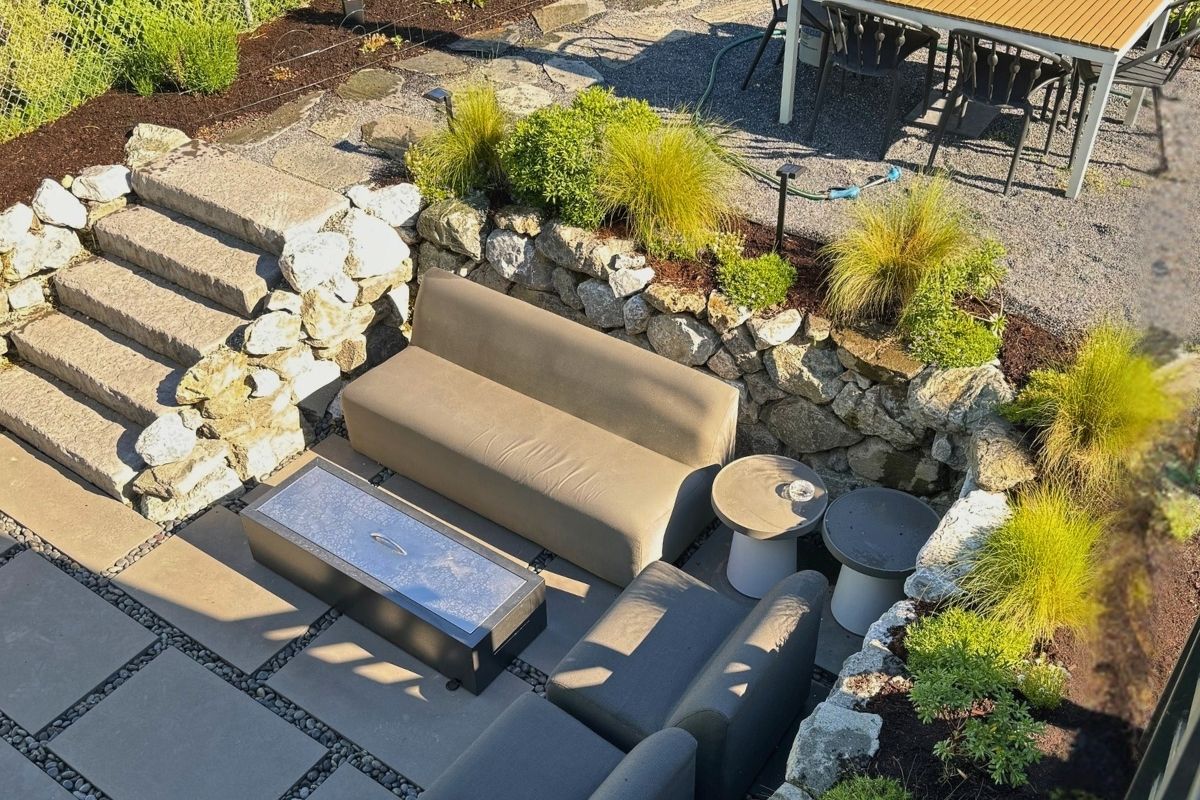
Seamless Material Selection for Commercial Seasonal Color Programs And Flower Rotations

Adopting Green Design Standards in Corporate Sites
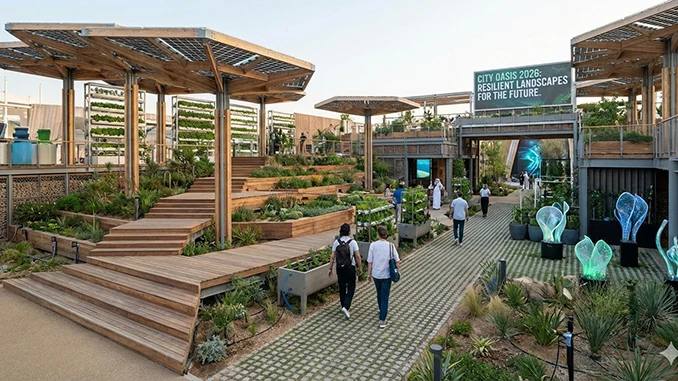
How to Upgrade Commercial Spaces