All Categories
Featured
Seamless Material Selection for Commercial Seasonal Color Programs And Flower Rotations
Table of Contents
- – Modern Entryway Philosophies in American urban...
- – Material Selection and Sustainability Trends f...
- – Integrating Smart Technology into Commercial S...
- – Climate-Adaptive Greenery and Water Management
- – Optimizing Pedestrian Flow and Safety
- – The Business Value of a Renovated Entryway
- – Maintenance and Longevity in 2026
Modern Entryway Philosophies in American urban centers
The 2026 commercial entryway is a departure from the static concrete pads of the past. As physical retail and office spaces compete with the convenience of digital platforms, the arrival experience has become a primary differentiator for property owners in the United States. Property managers in the surrounding region are finding that a professional exterior does more than provide a path to the door. It establishes the brand identity before a visitor even speaks to a receptionist or scans a QR code.
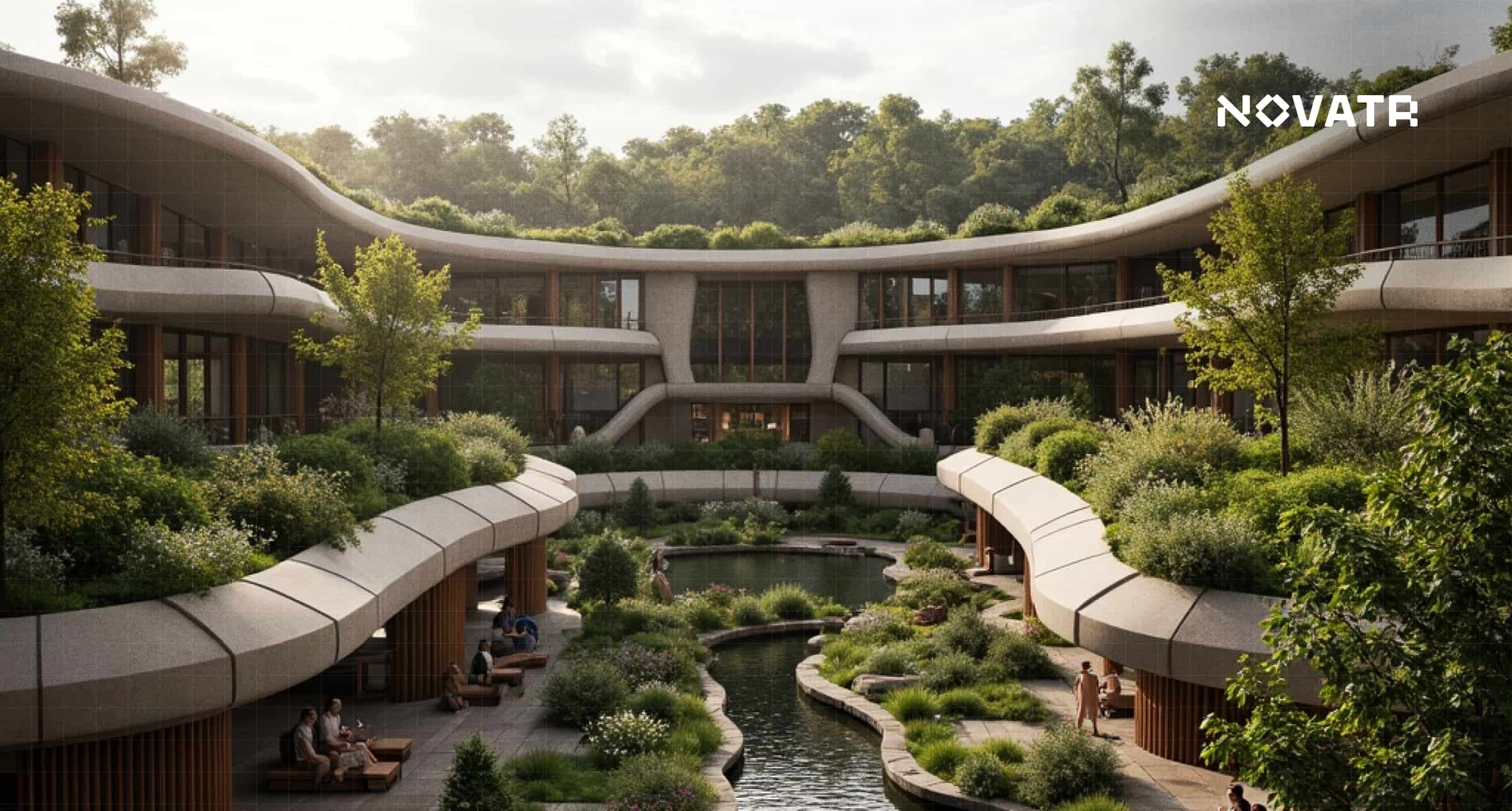
The shift in 2026 focuses on sensory experience and purposeful design. Entryways are no longer viewed as transition zones but as intentional spaces that set the mood for the interior. In cities like Los Angeles or Anaheim, where sun exposure and heat are constant factors, the design must also address thermal comfort and glare. Commercial developers often focus on Pacific Green Landscape Maintenance when planning new builds or major renovations to ensure the exterior matches the quality of the interior.
Material Selection and Sustainability Trends for 2026
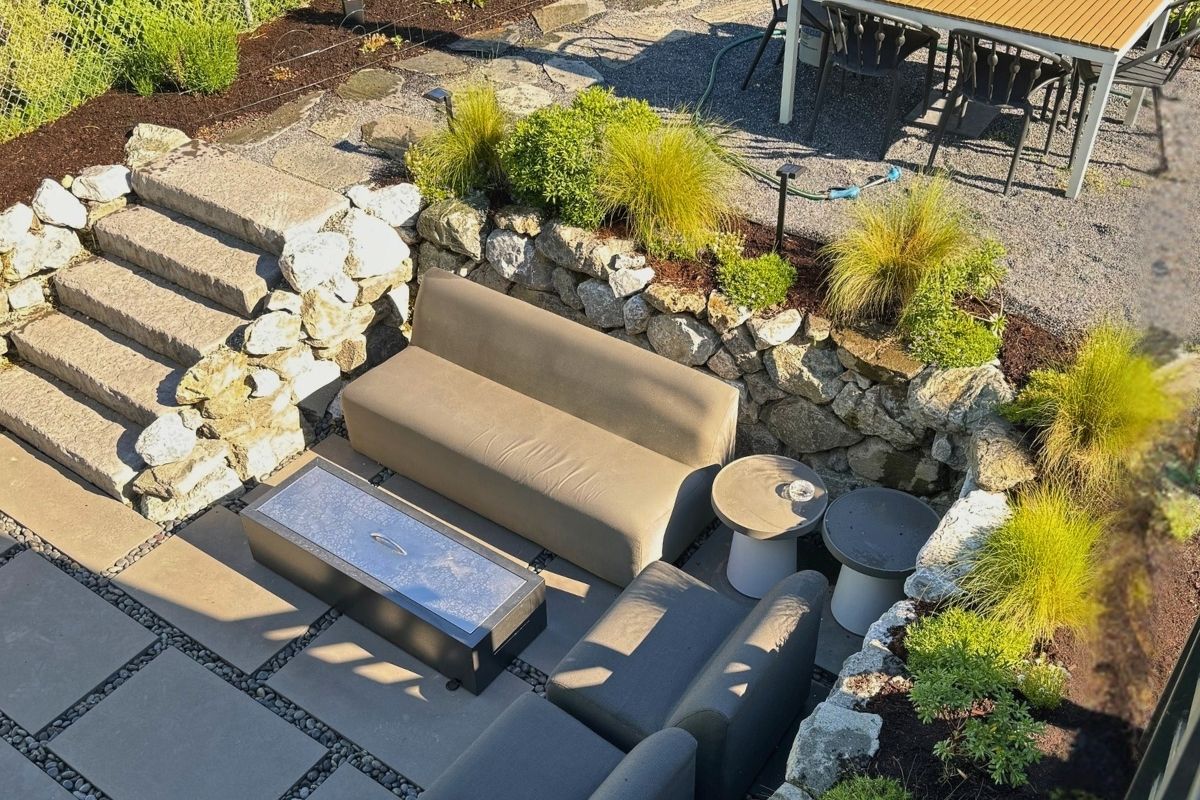
Materials used in Commercial Seasonal Color Programs And Flower Rotations have evolved to prioritize longevity and environmental impact. In 2026, the use of high-embodied-carbon materials is declining. Instead, designers in the local market favor permeable pavers and locally sourced stone. These materials help manage stormwater runoff, a significant concern in California urban planning, while providing a texture that looks better over time than traditional asphalt or poured concrete.
Thermal-treated wood and composite materials that resist fading are also common in 2026. These surfaces provide the warmth of natural timber without the heavy maintenance requirements typically seen in the salt air of Santa Monica or Long Beach. When these materials are paired with recessed lighting and native stone accents, the result is a sophisticated look that withstands heavy foot traffic. Pacific Green Landscape Maintenance Seasonal Color Programs helps facilities managers maintain these assets without exceeding annual repair budgets.
Integrating Smart Technology into Commercial Seasonal Color Programs And Flower Rotations
Technology integration has moved beyond simple security cameras. Entryways in 2026 feature adaptive systems that respond to the presence of people. Smart lighting systems now adjust in real-time based on pedestrian density and ambient light levels, reducing energy waste during the late-night hours in Irvine or other business districts. These systems use sensors to brighten the path for arriving employees while dimming in unoccupied zones to meet strict dark-sky compliance standards.
Wayfinding has also seen a technological upgrade. Digital kiosks and light-projected signage help visitors navigate large complexes without the clutter of physical poles and boards. This keeps the design clean and reduces visual noise. The integration of these tech elements requires specialized knowledge of how hardware interacts with outdoor elements. The rising demand for Pacific Green Landscape Maintenance for Retail reflects a broader shift toward environmental responsibility in urban planning and smart city initiatives.

Climate-Adaptive Greenery and Water Management
In 2026, the choice of plants for a commercial entryway is governed by both aesthetics and necessity. Drought-tolerant species are the standard across the region. Designers are moving away from thirsty lawns and toward a palette of succulents, native grasses, and perennials that thrive with minimal irrigation. This approach reduces water bills and ensures the property looks healthy even during the hottest months of the year.
Biophilic design principles are heavily utilized to reduce the "heat island" effect common in paved urban environments. Strategically placed shade trees and vertical green walls help lower the temperature of the entryway by several degrees. In 2026, many properties in the local area are also incorporating greywater recycling systems that use building runoff to sustain the outdoor vegetation. This creates a self-sustaining cycle that appeals to tenants who prioritize corporate social responsibility.
Optimizing Pedestrian Flow and Safety
Safety and accessibility are non-negotiable components of 2026 design. Entryways must accommodate a diverse range of mobility needs while ensuring that large crowds can move efficiently during peak hours. Broad walkways and clear sightlines are essential. In busy areas like Anaheim or Los Angeles, the separation of pedestrian paths from ride-share drop-off zones is a major focus. This reduces the risk of accidents and creates a calmer atmosphere for those entering the building.
Lighting plays a dual role in safety and aesthetics. Low-level bollard lights and strip lighting embedded in stairs provide clear guidance without causing temporary blindness. In 2026, the use of non-slip textures on all walking surfaces has become more sophisticated, with materials that provide grip even when wet without looking industrial. These small details prevent accidents and reduce liability for property owners in the surrounding metropolitan area.
The Business Value of a Renovated Entryway
The financial return on a well-designed entryway is measurable in 2026. Properties with modern, accessible, and high-quality exteriors command higher lease rates and see lower vacancy periods. A building that looks updated from the street level sends a message of stability and professional management. This is particularly important for Class A office spaces and luxury retail outlets where the first impression can make or break a deal.
Renovating an entryway is often more cost-effective than a total building overhaul. By focusing on the high-visibility areas where people spend the most time, property owners can achieve a significant aesthetic upgrade without the price tag of a full reconstruction. The focus on Commercial Seasonal Color Programs And Flower Rotations allows for a phased approach to modernization.
Maintenance and Longevity in 2026
Designing for the future means planning for maintenance. In 2026, many commercial outdoor spaces are designed with automated maintenance in mind. This includes self-cleaning surfaces and irrigation systems that detect leaks via mobile apps. When the initial design accounts for the reality of daily use, the entryway remains in top condition for years.
Property owners who invest in quality materials and smart design in 2026 are finding that they spend less on reactive repairs. By choosing native plants and durable hardscaping, the outdoor space matures rather than degrades. The goal is to create an entryway that looks as good in five years as it did on the day the ribbon was cut. This long-term perspective is what defines the most successful commercial projects in the local region today.

Table of Contents
- – Modern Entryway Philosophies in American urban...
- – Material Selection and Sustainability Trends f...
- – Integrating Smart Technology into Commercial S...
- – Climate-Adaptive Greenery and Water Management
- – Optimizing Pedestrian Flow and Safety
- – The Business Value of a Renovated Entryway
- – Maintenance and Longevity in 2026
Latest Posts
Seamless Material Selection for Commercial Seasonal Color Programs And Flower Rotations

Adopting Green Design Standards in Corporate Sites
How to Upgrade Commercial Spaces
Latest Posts
Seamless Material Selection for Commercial Seasonal Color Programs And Flower Rotations
Adopting Green Design Standards in Corporate Sites
How to Upgrade Commercial Spaces