All Categories
Featured

The Advantages of Eco-Friendly Landscape Planning
Table of Contents
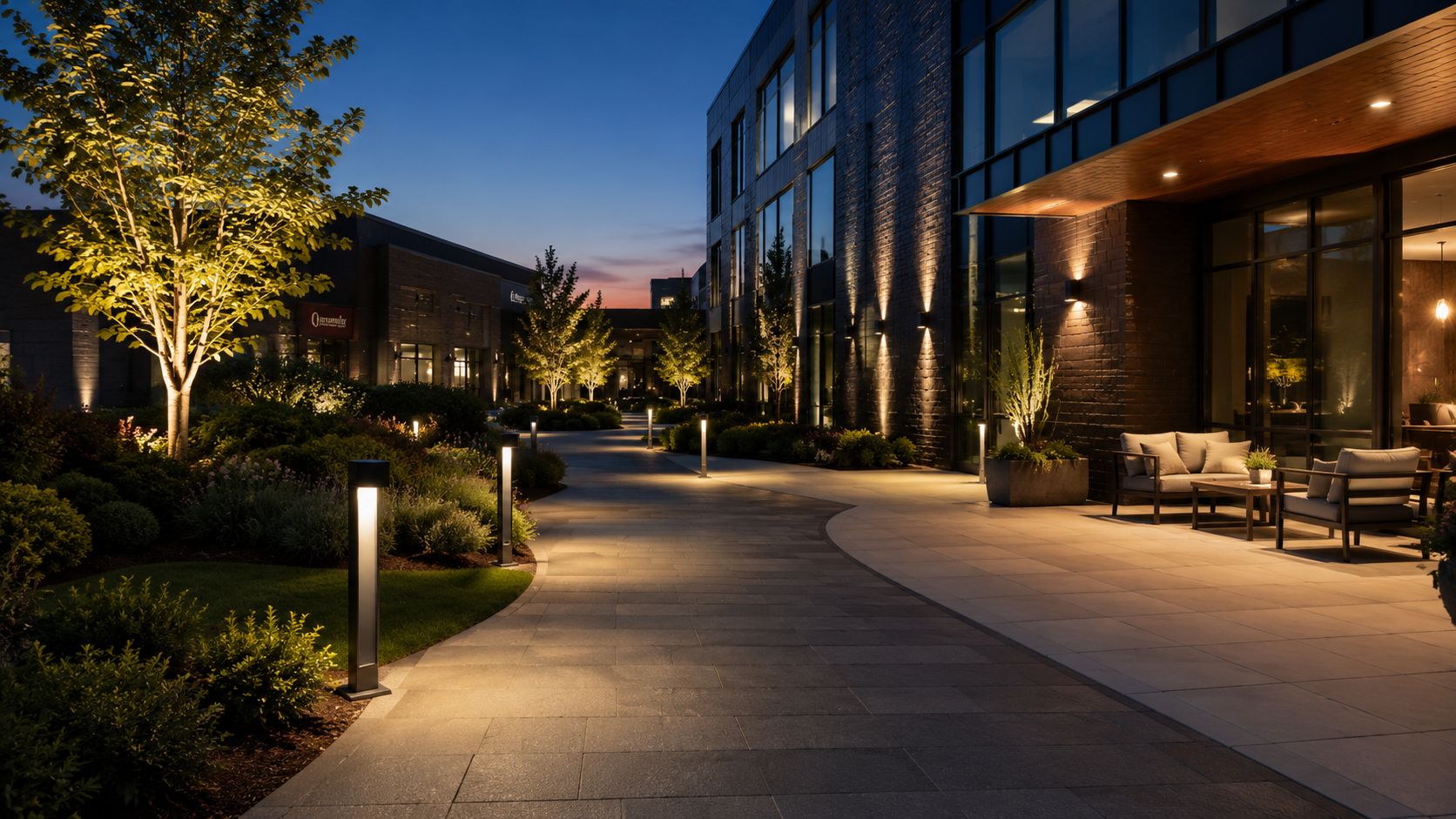
The incorrect component position exposes every construction inconsistency, every spot repair, and every irregular mortar joint. That's why I typically book it for surface areas with real material depth, not for basic stucco or painted utility walls. This technique shines on entry monoliths, raised planters, outside seating walls, and feature facades.
A couple of product-level information matter on business websites. Commercial-grade luminaires now commonly need IP66 ingress security and a CRI of 80+, requirements embraced by 87% of North American style firms according to the confirmed data above. For grazing, those specifications matter due to the fact that components sit near grade, face watering direct exposure, and need adequate color quality to make stone and planting materials look accurate.
Commercial Seasonal Color ProgramsStrong texture does not need much light to read. Takes grazing wonderfully. Typically deals with careful intending. Usually much better with wash lighting, not grazing. The very best outcome is dramatic but regulated. If the surface area starts looking hectic or harsh, the fixture is too close, too bright, or both. Silhouetting works when the object itself has a strong shape and the background can bring the light.
Rather of lighting the item straight, you light the surface area behind it and let the function checked out as a dark outline. This is among the cleaner methods to develop drama without cluttering a space with visible hardware. It likewise gives you a centerpiece that can be read from a distance, which is handy on homes with long approach drives or broad plazas.
One signature tree in the arrival court. This technique also pairs well with residential or commercial properties that want a strong first impression without including a lot of component upkeep in turf.
How to Modernize Commercial Lighting
A silhouette needs to read in one glimpse. If viewers require time to figure out what they're seeing, the background isn't bright adequate or the feature isn't distinctive enough.
It's providing a property controlled flexibility for occupant events, holiday programs, grand openings, and branded minutes while keeping a proper white-light mode for everyday operation. For the majority of nights, you'll want the site in a stable white discussion.
Dynamic lighting tends to work best in minimal zones: Business case is mostly about flexibility and viewed value. Confirmed data shows center supervisors report a 35% improvement in perceived home worth when lighting includes vibrant functions such as programmable color transitions or adaptive brightness. That doesn't imply every site requires color.
Commercial Seasonal Color ProgramsTop Modern Trends for Office Park Renovation
Water features vanish at night unless lighting offers them shape. A fountain bowl, runnel, pond edge, or low waterfall can become a strong after-hours focal point since moving water shows, refracts, and softens light in a method fixed hardscape doesn't.
If fixtures just blast the water from one side, you get glare and not much depth. Business water-feature lighting requires to survive moisture, mineral accumulation, service access, and routine cleaning.
Easier systems often last longer due to the fact that the service group can preserve them. On sustainability-focused residential or commercial properties, water and lighting should not be developed independently. Verified information notes that in drought-prone regions, uncoordinated lighting and irrigation planning contributes to business outdoor location failures, and existing material hardly ever discusses how to co-locate lighting with sensing units or monitor water-flow abnormalities without disturbing root zones.
Shared trenches can assist or hurt, depending on who prepared them. If a website still runs all site lighting on one schedule and one control point, it's leaving savings and versatility on the table.
Sustainable Landscape Trends in the US
Entry monuments can remain active later than side gardens. Hospitality yards can dim after peak hours. Secondary pathways can shift output while the primary arrival series remains completely readable. That's no longer a niche technique. Modern industrial installations typically divide outdoor areas into a minimum of four unique lighting zones, and clever zoning became an industrial requirement in 2020 according to the validated data above.

Latest Posts
The Advantages of Eco-Friendly Landscape Planning

Mastering Complex Hardscape Overhaul Strategies for 2026
Sustainable Hardscape Architecture Strategies for Modern Projects