All Categories
Featured

Why Business Park Need Modern Lighting ?
Table of Contents
The website looks fine for a while, then sections dim unevenly or fail outright since the original design was never engineered for scale. Useful smart-control features include: Much better than fixed timers when sunset shifts seasonally. Helpful in lower-traffic zones. Great for schools with limited nighttime staff. For properties examining broader performance upgrades, it can help to compare exterior controls with other LED lighting retrofit techniques in Riverside, then scale the reasoning to outside zoning and maintenance action.
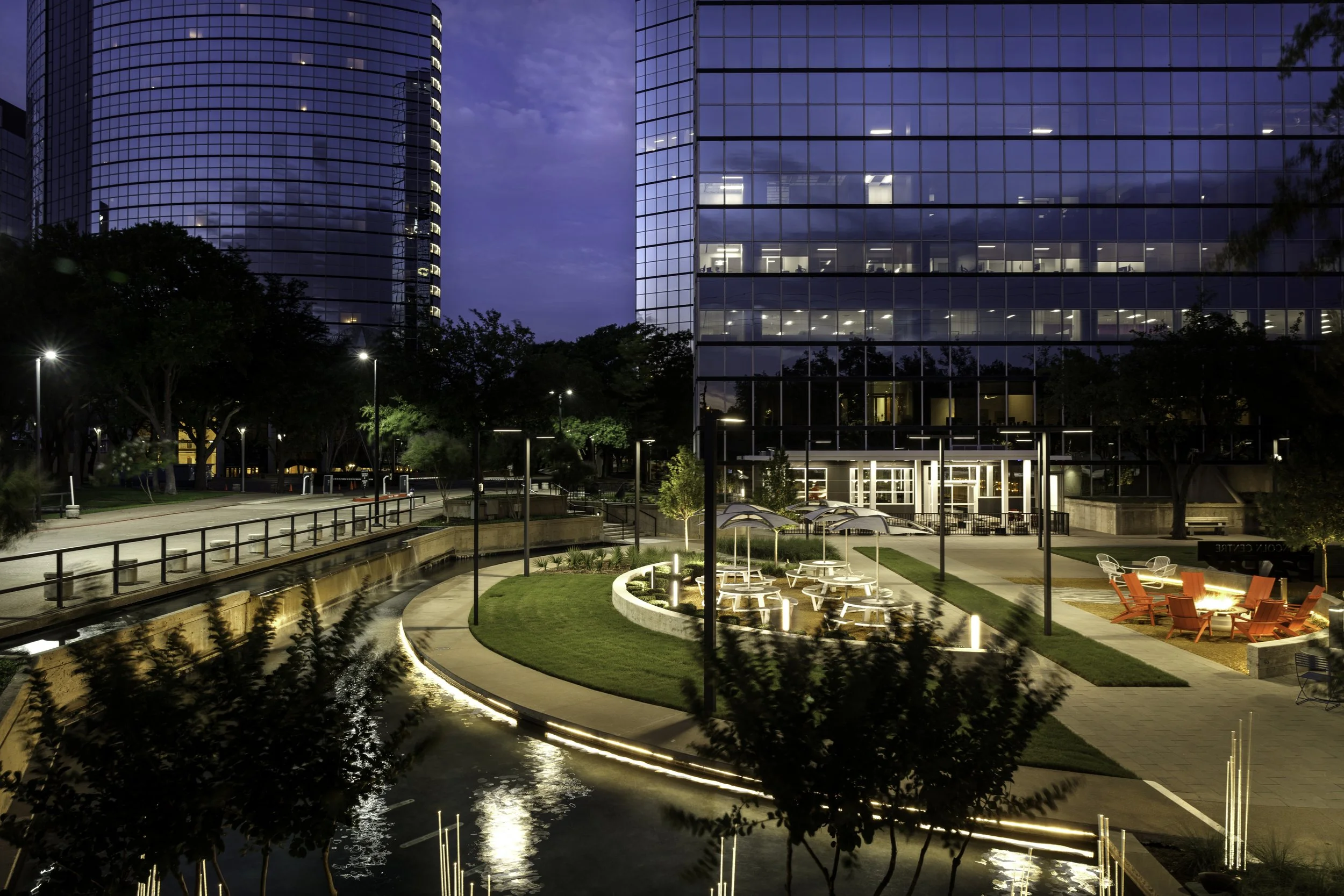
Stairs, seat walls, ramps, terrace edges, and grade changes all need clear definition after dark. Recessed fixtures fix that without including poles, stakes, or decorative bollards that take on pedestrian area or get hit during maintenance. I suggest this technique frequently for office yards, multifamily feature decks, hospitality balconies, and outside gathering areas with integrated masonry.
That provides property managers a cleaner daytime look and much better nighttime exposure in the same set up. The company case is straightforward. Integrated components typically cost more in advance than placing a couple of surface area path lights, however they lower mess, improve glare control, and hold up much better in high-traffic zones where exposed components are easy to damage.
Commercial Entryway LandscapingThese fixtures work best anywhere individuals move close to walls, actions, and maintaining edges. The light stays low and directed at the walking surface area, which helps in reducing hot areas and direct-view glare. That matters near entrances, outdoor dining areas, and stairs that deal with parking fields or drive aisles. A couple of information separate an excellent setup from a costly callback: This keeps the source out of direct sightlines and makes the stair edge easier to check out.
Planning Modern Walkways for Business Parks
Too few fixtures create dark spaces. Teams try to light every stair run with neighboring path fixtures alone. Protection becomes irregular, the fixture count climbs, and the outcome still looks improvised.
If the hardscape is still in style or preconstruction, coordinate lighting information with the commercial landscape construction and installation group before forms are set and walls go up. That timing safeguards the budget more than any fixture replacement later on. Many homes don't need more light. They need much better composition. Layering is what separates a business lighting plan from a collection of components.
This is also where the ROI image gets sharper. LEDs now consume up to 75% less energy than incandescent lamps and last 25 times longer, while a typical LED outdoor component can reach 50,000 hours compared with 2,000 hours for incandescent. Verified data also notes a 60% reduction in lifetime outdoor lighting expenses and approximately $15,000 per acre in annual maintenance-cost reduction on big business campuses and retail centers when upkeep frequency drops.
Start with circulation and liability. Add architectural focus second. Complete with focal functions only where they support the brand or occupant experience. That sequence keeps the budget plan grounded and prevents over-lighting decorative areas while vital routes stay weak. One more point matters for bigger websites. Confirmed data shows outside lighting represent about 4% of total outside electricity intake in business zones, and a transition to LED fixtures might conserve more than $1.2 billion annually throughout the United States according to a 2023 U.S.
Commercial Entryway LandscapingModern Stone Construction Tips
On a property-management level, that strengthens what a lot of operators already believe. Good lighting design isn't just cosmetic. It belongs in lifecycle planning. A layered approach is simplest to deliver when lighting is coordinated with business landscape building and installation instead of included at the end as a bolt-on package. Property supervisors typically have to choose under pressure.
A side by side comparison helps separate high-impact upgrades from concepts that look great in a making however develop service headaches later on. Utilize the table listed below as a decision tool, not a style list. Each choice solves a different business problem, brings a various upkeep load, and fits certain property types much better than others.
Revitalizing Outdoor Spaces
Regular lens cleansing and fixture adjustment are typical. Wayfinding with Course and Area Lighting Improve pedestrian guidance and minimize trip-risk direct exposure Low to moderate Bollards, course fixtures, pole lights, photocells or timers Scales well throughout big websites.
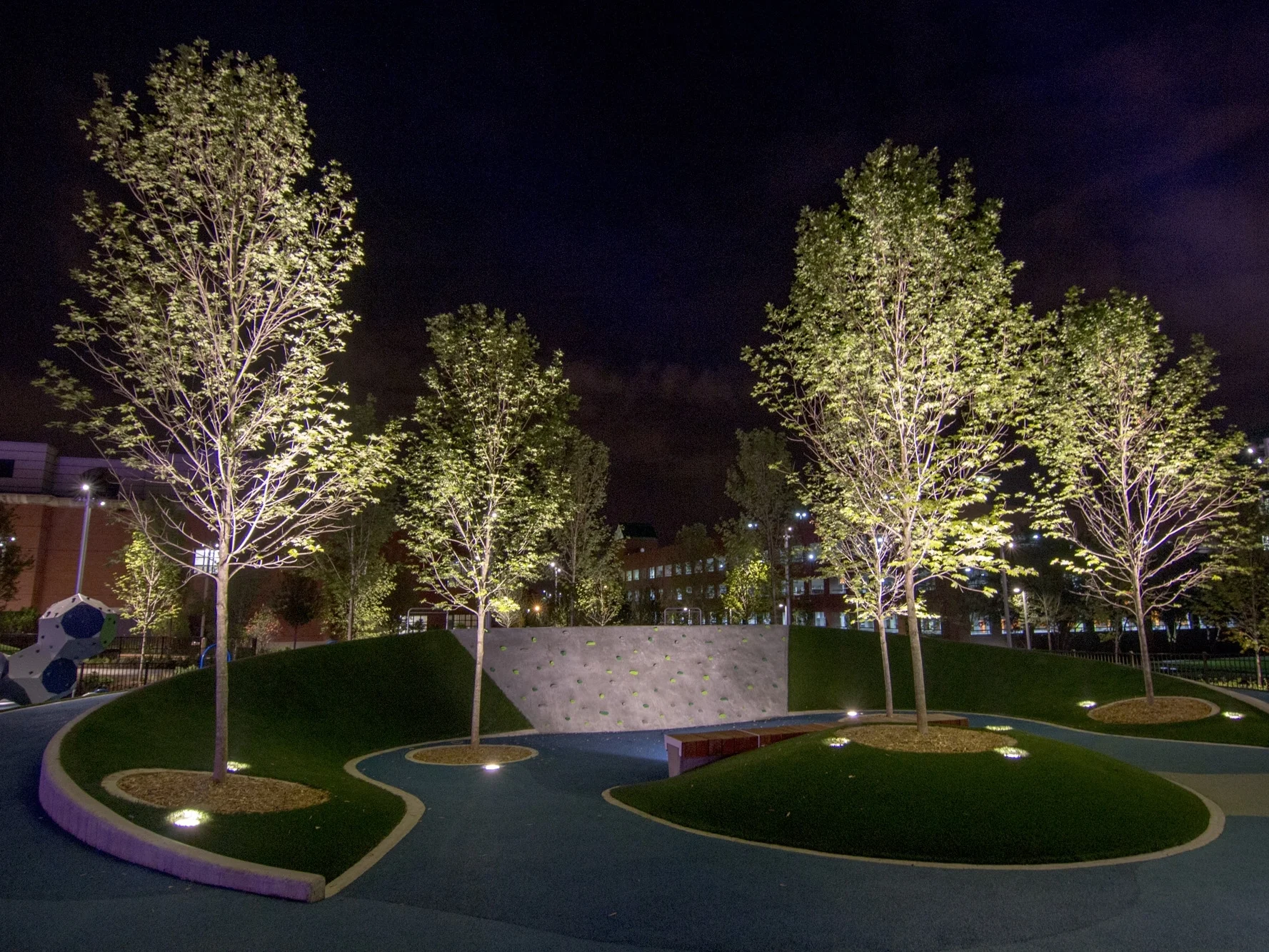
HOA common areas, mixed-use courses, parking lot connections, plazas Typically the very best first investment since it resolves security, flow, and look at the very same time. Moonlighting for Subtle, Natural Beauty Add soft overhead light without a severe fixture existence High Tree-mounted downlights, diffused optics, low-output LEDs, gain access to preparation Greater service cost due to the fact that components require seasonal review as trees grow and sway.

Latest Posts
Green Landscape Trends Across the US

Implementing Commercial Soil Management Strategies
The Advantages to Modern Landscape Design